


Selling wigs and hair extensions online starts with choosing one clear model before buying stock. Buyers cannot touch hair through a screen, so trust must come from clear specs, real photos, and honest policies. A narrow launch beats a wide catalog with weak quality control.
Selling wigs and hair extensions online also means selling fit, texture, and care, not only length. A buyer needs cap size, lace type, density, weight, and install method before checkout. Clear answers reduce returns, complaints, and refund requests.
Selling wigs and hair extensions online rewards sellers who test hair first and publish what they tested. Wash tests, heat tests, shed tests, and wear tests build confidence faster than superlatives. Show results in plain language, with limits stated clearly.
Selling wigs and hair extensions online is a business decision, not only a beauty decision. Suppliers, shipping times, tax rules, returns, and ad costs affect profit more than a pretty homepage. Plan those systems before launch day arrives.
Selling wigs and hair extensions online works best when the first offer solves one buyer problem well. Examples include beginner friendly glueless wigs, fine hair tape ins, or durable salon bundles. Depth in one lane builds repeat buyers faster.
Choose Your Business Model First

In Stock Resale
In stock resale means buying finished wigs or extensions, storing them, and shipping orders yourself. Control is highest here, because you inspect, photograph, and pack every unit before sale. Cash is tied up in inventory, so start with proven styles only.
In stock resale suits sellers who want fast shipping and consistent quality checks. US warehouse stock can ship in days, while overseas stock may take weeks. Fast delivery is a strong advantage for birthdays, events, and urgent replacements.
In stock resale also creates return risk, because unsold stock loses value when trends change. Keep initial colors narrow, with natural black, dark brown, and one blonde option. Add fashion colors only after sales data supports them.
Dropshipping
Dropshipping means the supplier or warehouse ships each order after a customer buys from your store. Upfront inventory cost is lower, and you can test more styles without filling a room. Quality control is weaker, because you may never see the unit.
Dropshipping works best with a vetted partner, clear packaging rules, and a written defect policy. Blind shipping matters, because supplier branding inside the box can confuse buyers and weaken your brand. Test an order to your own address first.
Dropshipping still leaves customer service with you, even when shipping fails elsewhere. Late delivery, wrong length, or tangled hair becomes your complaint to solve. Choose partners with tracking, response times, and replacement rules in writing.
Private Label and OEM
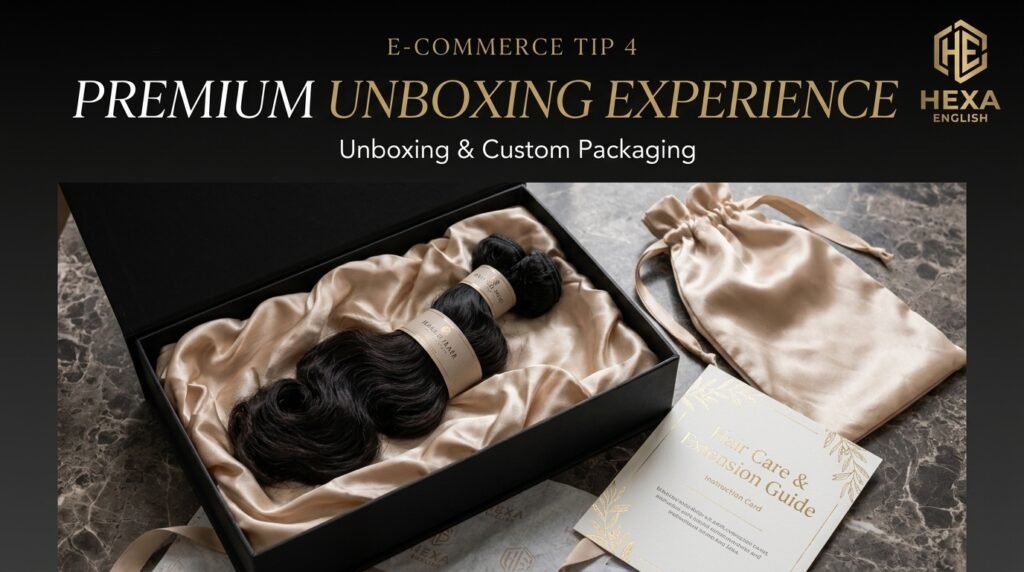
Private label means selling supplier made hair under your brand name and packaging. Custom labels, satin bags, boxes, and care cards can make a standard unit feel premium. Minimum order quantities often apply, so confirm them before designing packaging.
OEM work can include custom cap sizes, density, lace color, texture, or branded tags. Custom work takes longer and usually needs larger orders, so it suits sellers with proven demand. Start with stock units, then customize only top sellers.
Private label does not fix bad hair, and packaging cannot hide shedding or thin ends. Test the base unit first, then invest in branding for units that pass wash and wear checks. Brand trust grows from repeat quality, not boxes alone.
Custom Wig Making
Custom wig making means building units to a buyer head size, density, part, and style request. Prices are higher, lead times are longer, and skill matters more than inventory. This model suits stylists, wig makers, and sellers with construction experience.
Custom wig making needs clear intake forms, measurement instructions, and revision limits. A buyer should know turnaround time, deposit rules, and what changes cost extra. Written scope prevents disputes over color, density, or hairline shape.
Custom wig making can pair well with ready stock, because stock covers urgent buyers while custom covers premium buyers. Do not offer both at launch unless production capacity is real. Missed custom deadlines damage reputation quickly.
| Model | Cash needed | Control | Speed | Best for |
| In stock resale | Medium to high | High | Fast | Proven sellers and US shipping |
| Dropshipping | Low | Lower | Varies | Testing niches with low risk |
| Private label | Medium | Medium | Medium | Brand building after proof |
| Custom making | Low stock, high labor | Very high | Slower | Premium and fitted buyers |
| Salon retail add on | Low to medium | High | Fast | Existing clients and installs |
Pick One Launch Model
Pick one launch model and build systems around it, rather than mixing all five at once. Each model needs different supplier terms, shipping promises, and return rules. Mixed promises confuse buyers and create support problems.
Pick one launch model based on cash, skill, time, and risk tolerance, not trends alone. Dropshipping tests demand cheaply, while stock builds speed and control. Custom work earns premium prices but limits volume sharply.
Pick one launch model for ninety days, then review returns, margins, and repeat orders. Data should decide the next step, whether that is stocking winners, adding private label, or dropping weak styles. Avoid scaling a model before proof exists.
Pick a Niche and a Buyer
Narrow Beats Broad
Narrow niches make marketing clearer, because one buyer type sees herself in every product and post. Broad stores compete on price alone, while narrow stores compete on fit, texture, and service. Price wars are hard to win for new sellers.
Narrow niches also simplify supplier choices, because fewer textures and lengths need testing. A glueless beginner wig store needs different stock than a salon bundle store. Focus reduces waste and improves product knowledge.
Narrow niches still need enough demand, so check search interest, salon demand, and social conversation before committing. Look for repeat purchases, install services, and care product add ons. Repeat demand matters more than one viral post.
Strong Starting Niches
Beginner glueless wigs suit buyers who want easy install, adjustable bands, and pre plucked hairlines. Clear install videos and cap size help reduce fear for first time buyers. This niche rewards education more than low prices.
Lace front and closure wigs suit buyers who want natural hairlines and parting freedom. Lace type, lace size, and knot bleaching must be explained in plain terms. Buyers compare 13×4, 13×6, 5×5, and 360 options carefully.
Clip in extensions suit buyers who want length or volume without salon commitment. Weight, piece count, and color matching matter more than install skill. This niche suits gifts, events, and first time extension buyers.
Tape in and sew in hair suit salon clients and experienced buyers who want longer wear. Stylists often choose suppliers, so salon trust and consistent bundles matter greatly. Provide install and maintenance information for professionals too.
Medical and hair loss wigs suit buyers who need comfort, secure fit, and sensitive scalp options. Language must stay respectful, private, and accurate, without medical promises. Comfort caps, lighter density, and breathable materials matter here.
Define the Buyer Clearly
Define the buyer by hair texture, lifestyle, budget, and install skill, not only age or gender. A busy professional, a salon stylist, and a cosplay buyer need different promises. Each group values speed, durability, or style freedom differently.
Define the buyer budget range before choosing stock, because premium raw hair and budget synthetic hair serve different markets. Mixing luxury claims with budget hair creates disappointment and returns. Price must match material and construction honestly.
Define the buyer problem in one sentence, then test every product against that sentence. If a unit does not solve that problem, it does not belong in launch stock. Focus keeps listings, ads, and content aligned.
Set Up a US Business Correctly
General business information only applies here, and rules vary by state, city, and business type. Check your Secretary of State office, local licensing office, and tax authority before selling. This section explains common steps, not legal or tax advice.
Business structure choices include sole proprietorship, limited liability company, partnership, and corporation, with different liability and tax effects. The US Small Business Administration publishes startup structure information for new owners. Get professional advice before choosing a structure for your situation.
Employer Identification Number applications are handled through the Internal Revenue Service, and many banks request one for business accounts. A separate business bank account keeps sales, supplier costs, and ad spend easier to track. Clean records protect profit calculations later.
Sales tax registration depends on where you sell, where buyers live, and which platforms collect tax for you. Marketplace rules differ from a standalone store, so confirm platform tax collection settings. The Internal Revenue Service and state revenue departments publish tax basics for small sellers.
Business licenses may include a general business license, seller permit, resale certificate, or local permit. Requirements differ by location, so a neighbor state rule is not proof for your state. Keep copies of registrations, permits, and supplier agreements in one file.
Insurance needs may include general liability, product liability, property, and cyber coverage, depending on scale and risk. A broker can explain what a policy covers and what it excludes. Do not assume a platform policy protects your brand fully.
Trademark and name checks matter before printing packaging, because a similar beauty brand can create legal and marketplace problems. The United States Patent and Trademark Office offers trademark search tools for basic checks. A professional search helps before major brand investment.
Recordkeeping should track supplier cost, shipping cost, fees, refunds, returns, and ad spend per product. Profit looks different after fees, damaged units, and replacement shipments. Monthly reviews prevent a busy store from hiding losses.
Privacy and data handling matter for customer addresses, payment details, and medical wig inquiries. Use secure checkout tools, limit data access, and publish a clear privacy policy. Never sell customer health information or share private details publicly.
Find and Vet Suppliers Carefully
Start With Samples
Order samples from several suppliers before committing to bulk stock or a long partnership. Compare the same length, texture, and density across suppliers, because different specs hide quality gaps. A sample is cheaper than a warehouse of returns.
Order samples in the colors you plan to sell, because natural black can hide flaws that blonde or highlighted hair reveals. Check ends, weft strength, lace softness, and color consistency across units. One perfect sample does not prove batch consistency.
Order samples through the same channel buyers will use, when possible, to test packaging and delivery time. Note arrival time, box condition, tracking updates, and included care materials. Buyer experience starts with the box, not the product page.
Test Hair Like a Buyer

Wash test each sample with sulfate free shampoo, conditioner, and air drying, then check tangling and softness. Note whether curl pattern returns, straight hair stays smooth, and ends feel dry. Record results with photos for internal comparison.
Heat test human hair at low to medium heat first, then check for burning smell, stiffness, or texture loss. Synthetic hair has heat limits, so never promise heat styling unless the fiber allows it. Publish the safe heat range from supplier specs.
Shed test by gentle brushing, washing, and daily wear, then note loose strands and weft shedding. Some shedding is normal, but clumps, bald spots, or broken wefts signal weak construction. Compare shed levels across suppliers, not against marketing claims.
Color test matters for dyed, bleached, or highlighted units, because lift results vary by base hair. Test one small section before promising a blonde shade or vivid color. State clearly whether a unit can be dyed, bleached, or only toned.
Ask Supplier Questions in Writing
Ask about origin claims carefully, because Brazilian, Peruvian, Malaysian, and Indian labels are often marketing terms, not verified source proof. Ask what the label means for that supplier, how hair is collected, and how batches are checked. Do not repeat origin claims as verified facts.
Ask about processing terms, including virgin, raw, Remy, double drawn, and steam processed definitions used by that supplier. Definitions vary across vendors, so compare processing descriptions, not grade letters alone. Grades like 9A and 10A have no universal standard.
Ask about minimum order quantity, lead time, defect policy, restock time, and blind shipping rules. Confirm who pays return shipping for defects, and how replacements are handled. Written terms protect both sides when a batch fails.
Ask about packaging options, including private label, logo tags, satin bags, boxes, and care cards. Confirm minimums, artwork format, proof approval, and extra cost per unit. Packaging should never hide a weak unit inside a premium box.
Ask about consistency controls, including batch checks, length measurement method, weight per bundle, and lace inspection. Length is usually measured stretched straight, which can surprise curly buyers. State measurement method on product pages clearly.
| Sample test | What to check | Fail signal | Record |
| Wash test | Tangle, softness, curl return | Heavy matting after one wash | Photos before and after |
| Heat test | Smoothness, smell, texture | Burning smell or stiff ends | Heat level used |
| Shed test | Loose strands, weft strength | Clumps or bald patches | Days worn and brushing |
| Color test | Lift, tone, evenness | Patchy lift or breakage | Dye or bleach used |
| Wear test | Comfort, cap fit, lace melt | Itching, lifting, or slipping | Hours worn and activity |
Avoid Common Supplier Traps
Avoid supplier traps like guaranteed profit claims, fake reviews, stolen photos, or pressure to order large stock immediately. A trustworthy supplier answers spec questions, sends samples, and accepts defect discussion. Pressure tactics signal weak quality control.
Avoid supplier traps around lifespan claims, because two to five year figures depend on care, install method, and wear frequency. Lifespan should be presented as an estimate with care conditions, not a warranty promise. State what care extends life and what shortens it.
Avoid supplier traps in marketplace listings that copy the same photos across many sellers. Reverse image checks, sample orders, and direct communication help separate factories from resellers. A reseller can still work, but pricing and control differ.
Learn Wig Specs Before Listing
Cap Construction
Cap construction decides parting freedom, ponytail options, comfort, and price more than length alone. Lace front wigs offer a natural front hairline with wefted backs, while full lace wigs allow parting anywhere. Closure wigs offer a smaller lace area and simpler install.
Lace front sizes commonly include 13×4 and 13×6, meaning lace width and depth in inches. A 13×6 frontal gives deeper parting than 13×4, while a 5×5 closure gives a smaller part area. State lace size in every listing, not only in photos.
360 lace wigs place lace around the perimeter, allowing high ponytails with a natural edge. Full lace wigs use lace across the whole cap, with the highest styling freedom and highest labor cost. U part wigs leave an opening for natural leave out hair.
Glueless wigs use adjustable bands, elastic, combs, or drawstrings for secure fit without adhesive. Beginners often prefer glueless caps, but fit still depends on head measurement. Publish cap measurement instructions with every glueless listing.
Lace Type and Knots
HD lace is very thin and can melt into many skin tones, but it is more delicate than thicker lace. Transparent lace blends well on fair to medium skin tones and may need tinting on deeper tones. Swiss lace is stronger and often easier for beginners.
Lace color should match or tint close to scalp tone, because untinted lace can look gray or shiny. Some sellers offer lace tint, knot bleaching, or pre plucked hairlines as value added options. Explain what each option changes and what skill it requires.
Knot size affects realism at the hairline, with smaller knots looking more natural but sometimes less durable. Bleached knots can improve realism, but over bleaching weakens lace and hair. State whether knots arrive bleached, unbleached, or lightly bleached.
Pre plucked hairlines reduce dense, straight hairline looks, but plucking varies by maker. Show close photos of the hairline, part, and baby hair, because buyers judge realism there first. Avoid heavy filters that hide lace texture.
Density, Length, and Cap Size
Density describes how full a wig looks, with common options at 130, 150, 180, 200, and 250 percent. Higher density looks fuller but heavier, hotter, and harder to style naturally. Natural everyday looks often sit at 130 to 180 percent density.
Density mapping matters, because a tapered hairline looks more natural than uniform thickness everywhere. Some makers thin the front, then increase fullness through the crown. Explain density in plain terms, not only percentages.
Length measurement for straight hair differs from curly or wavy hair, because curls shrink when dry. State whether length is measured stretched or in natural curl state. Buyers need a length chart with body reference photos.
Cap size commonly averages 22 to 22.5 inches in circumference, according to Alipearl product listings, while a Fruugo listing gives a standard range of 21.5 to 23.5 inches. Publish petite, average, and large options when stock allows. Head measurement instructions prevent many size returns.
| Spec | Common options | Buyer impact | Listing must state |
| Lace front | 13×4, 13×6 | Part depth and styling | Exact lace size |
| Closure | 4×4, 5×5, 6×8 | Part area and ease | Exact closure size |
| Lace type | HD, transparent, Swiss | Melt, durability, tint | Lace type and color |
| Density | 130 to 250 percent | Fullness and weight | Density and hairline taper |
| Cap size | 21.5 to 23.5 inches | Fit and comfort | Measurement method |
| Length | 10 to 30 inches | Price and style | Stretched or natural measure |
Texture and Color
Texture options include straight, body wave, loose wave, deep wave, water wave, curly, kinky straight, and kinky curly. Texture should match buyer natural hair or install goal, because mismatched texture shows at leave out areas. Show texture wet and dry when possible.
Color options include natural black, dark brown, blonde, highlighted, ombre, balayage, and fashion colors. Color names vary across suppliers, so use shade codes and real photos under daylight. Screen color alone cannot guarantee an exact match.
Color matching services reduce wrong shade orders, especially for extensions without a salon visit. Ask buyers for daylight photos of hair ends, mid lengths, and roots. State limits clearly, because photos cannot replace in person matching.
Single donor and virgin claims should be treated as supplier descriptions, not verified facts, unless testing or documentation supports them. Single donor means hair from one person in supplier language, but buyers cannot verify it from photos. Avoid presenting vendor language as independent proof.
Learn Extension Methods Before Selling
Temporary Methods
Clip in extensions attach with clips, remove daily, and suit beginners, events, and volume boosts. They need no salon install, but clips must grip enough hair to stay secure. Weight and piece count decide comfort and fullness.
Halo extensions use a hidden wire around the head, with no clips, glue, or braids. They suit quick volume and low commitment, but they suit updos less well. Halo units need clear sizing and wire adjustment instructions.
Ponytail extensions wrap around a natural ponytail for instant length and fullness. They suit events, workouts, and quick styling, but base ponytail strength matters. Show attachment method and weight limits clearly.
Semi Permanent Methods
Tape in extensions use adhesive wefts sandwiched around natural hair sections. They lie flat, suit fine hair well, and usually need salon install and removal. Oil near roots can weaken tape, so care instructions matter greatly.
Sew in extensions, also called weaves, attach wefts to braided natural hair. They suit thicker hair, offer long wear, and need professional install and maintenance. Tension and braid size affect comfort and scalp health.
Micro link extensions use small beads to attach strands without glue or heat. They move naturally and allow adjustments, but they need tightening and professional maintenance. Fine hair buyers need careful consultation before choosing beads.
Long Term Methods
Fusion extensions, also called keratin bond extensions, bond strands with keratin and heat. They look very natural, last months with care, and need salon install and removal. Removal skill matters, because poor removal can damage natural hair.
Extension lifespan depends on method, hair quality, care, and wear frequency, not marketing alone. Clip ins can last months with gentle care, while tape ins need moves every six to eight weeks in competitor guides. State install lifespan and hair lifespan separately.
Extension maintenance includes brushing method, washing direction, drying, heat limits, and salon move up timing. Publish a care card with every order, because care mistakes cause most early complaints. Clear care guidance protects both buyer and seller.
| Method | Install | Wear period | Best for | Key risk |
| Clip in | DIY, minutes | Daily removal | Beginners and events | Slipping if too light |
| Halo | DIY, minutes | Daily removal | Quick volume | Less secure for updos |
| Tape in | Salon | 6 to 8 weeks per install | Fine hair, flat look | Tape slip from oil |
| Sew in | Salon | 6 to 10 weeks | Thick hair, long wear | Tension if braids tight |
| Micro link | Salon | 3 to 4 months with care | Natural movement | Slipping without tightening |
| Fusion | Salon | 3 to 5 months | Long term, discreet | Damage from poor removal |
Price for Profit Without False Promises
Understand Gross Margin
Gross margin means selling price minus product cost, before ads, fees, shipping, returns, and labor. Many competitor guides quote gross margin as if it were profit, which misleads new sellers. Net profit appears only after all operating costs are subtracted.
Competitor reported margins vary widely, so treat them as ranges to test, not guarantees. eComposer reports 50 to 70 percent on wigs and extensions, and 30 to 50 percent on accessories. ScaleOrder reports human bundles at 40 to 60 percent gross, and synthetic at 30 to 40 percent.
Custom wig targets in Newtimes Hair content aim for at least 60 percent margin on custom units. ArticlesBD reports a wider 30 to 100 percent range, which shows how pricing and supplier cost change outcomes. Your own math must use your supplier quotes, fees, and return rate.
Platform fees reduce margin quickly, including payment processing, marketplace fees, app fees, and shipping subsidies. Shopify and integrated payment tools can reduce profitability by 5 to 10 percent if unplanned, according to ScaleOrder. Build fees into price before launch, not after sales grow.
Build a Price Formula

Price formula should start with product cost, shipping cost, packaging cost, fees, and expected return cost. Add a margin target, then compare the result with competitor prices for similar specs. A price below true cost cannot be fixed by volume alone.
Price formula examples help, but use your own numbers for final pricing. If a wig costs 100 dollars landed, fees and shipping total 20 dollars, and target margin is 50 percent, the price must exceed 240 dollars before ads. Many sellers forget return cost in this math.
Price tiers help buyers choose without confusion, with good, better, and best options by hair quality or construction. A budget synthetic wig, a mid tier human lace front, and a premium raw unit serve different buyers. Tier names should reflect material, not vague luxury claims.
Discount rules should protect margin, with clear limits for codes, bundles, and free shipping thresholds. Free shipping over a threshold can raise average order value, but only if product margin covers shipping. Track discount cost per order, not only sales growth.
Startup Cost Ranges
Startup cost ranges conflict across competitor guides, because scopes differ from lean dropshipping to full retail stores. eComposer reports a lean dropship start at 300 to 1,000 dollars or more for platform, domain, apps, branding, and marketing. TRUiC reports a wig store start at 500 to 5,000 dollars.
Online only dropship ranges from Avvale reach 3,500 to 15,000 dollars, while full retail ranges reach 41,100 to 147,000 dollars. Alibaba guide content reports a lean launch sample near 4,200 dollars for legal, inventory, website, photos, and insurance. Do not mix retail shop costs into an online only budget.
Non US retail scopes should be excluded from US online planning, including Canada startup guides and UK pound figures. Alpha Hair reports 508,500 to 694,000 dollars for a larger business scope, which does not match a lean online launch. Use scope labels whenever quoting a cost range.
| Cost area | Lean online range | Notes |
| Platform and domain | 300 to 1,000 dollars plus monthly fees | Competitor reported, varies by apps |
| Samples | 200 to 800 dollars | Test several suppliers first |
| Initial stock | 0 to 5,000 dollars | Dropship starts lower than stock |
| Branding and packaging | 100 to 500 dollars | Small bulk orders only |
| Photos and video | 0 to 800 dollars | Phone plus lighting can work |
| Marketing test | 200 to 1,000 dollars | Small tests before scaling |
| Legal and insurance | Varies by state | Check local rules first |
Avoid Profit Myths
Avoid profit myths like guaranteed income, overnight sales, or margin claims without costs. A 70 percent gross margin can still lose money after ads, returns, and shipping. Publish no income promises in marketing or product pages.
Avoid profit myths around viral videos, because one viral post rarely creates stable demand. Viral traffic can spike, then fade, while returns and support requests remain. Build email lists and repeat buyers for steadier revenue.
Avoid profit myths from supplier marketing that promises best quality at lowest price without samples. Quality, speed, and price rarely peak together, so choose the trade off openly. Buyers respect honest trade offs more than impossible claims.
Build a Store That Converts
Choose a Platform
Shopify suits many hair sellers, because themes, apps, payments, and shipping tools work together. Beauty themes should load fast, show large photos, and make length, color, and lace options easy. Test checkout on mobile before launch, because many buyers shop by phone.
WooCommerce suits sellers who want WordPress control and lower monthly platform fees. Hosting, security, updates, and payment setup need more hands on work. Choose WooCommerce only if technical maintenance is realistic long term.
Etsy and marketplaces suit early testing, because built in traffic can bring first sales and reviews. Fees, competition, and limited customer data make marketplaces harder for brand building. Plan migration to a standalone store after proof.
Social storefronts on Instagram, TikTok, and Facebook can support sales, but social pages are not owned assets. Platform rules, account locks, and algorithm changes can reduce reach suddenly. Always drive buyers toward email and your own store.
Design for Hair Buyers
Design for hair buyers with large texture photos, length charts, color swatches, and install videos. Navigation should separate wigs, bundles, closures, frontals, clip ins, tape ins, and care products clearly. Confusing categories increase bounce and support questions.
Design for hair buyers with search filters for lace type, density, length, texture, cap size, and color. Filters help buyers compare units without opening every listing. Missing filters force buyers to guess, which increases wrong orders.
Design for hair buyers with trust signals like sample policies, return rules, shipping times, and contact options. A visible support email, response time, and FAQ page reduce purchase fear. Trust signals matter more than decorative homepage banners.
Set Up Essential Pages
Essential pages include shipping, returns, size help, care help, contact, privacy, and terms. Each page should use plain language and realistic timelines, not vague promises. Vague policies create disputes when delivery or returns go wrong.
Essential pages should explain hygiene rules for returns, because worn wigs and extensions cannot always be resold. State clearly whether returns need unopened packaging, unworn condition, or protective caps intact. Fair rules protect buyers and sellers alike.
Essential pages should include a measurement help page with head circumference, lace size, and length charts. Video or photo steps help buyers measure correctly at home. Measurement help is a conversion tool, not an extra page.
Write Product Pages That Reduce Returns
Specs First, Hype Last
Specs first means lace size, lace type, density, cap size, length, weight, texture, and color appear before marketing claims. Buyers compare specs across stores, so missing specs push them toward competitors. Complete specs also help search engines understand listings.
Specs first includes weight in grams, bundle count, weft type, and piece count for extensions. A 100 gram bundle differs greatly from a 200 gram set, even at the same length. Weight explains fullness better than photos alone.
Specs first includes install requirements, such as salon install, glue, tape, or DIY use. A beginner buyer should not discover salon install needs after delivery. State install skill level in every listing clearly.
Photos and Video That Prove Quality
Photos that prove quality include front, side, back, part, hairline, lace close up, ends, and packaging. Natural daylight photos show color and texture more honestly than heavy filters. Multiple models or mannequins help buyers judge scale.
Photos that prove quality should include wet and dry texture for curly and wavy units. Curl pattern changes after washing, so buyers need both states before purchase. Wet photos alone can overpromise curl definition.
Video that proves quality should show brushing, parting, movement, lace melt, and styling. Short unscripted videos often convert better than polished ads, because buyers trust real movement. Show the unit from several angles without cuts hiding flaws.
Video that proves quality should include wash results, heat styling, and wear over time when possible. A wash test video answers tangling questions better than a claim. Keep videos short, captioned, and mobile friendly.
Reviews and Social Proof
Reviews should show verified purchases, photos, hair type, length bought, and install method. Detailed reviews help future buyers more than star counts alone. Ask buyers for texture, color match, and comfort feedback specifically.
Reviews must never be faked, bought without disclosure, or copied from supplier pages. Fake reviews destroy trust and can create platform penalties. Incentives for reviews must follow platform rules and disclosure requirements.
User generated content from real buyers, with permission, can show install results across skin tones and hair types. Repost with credit and consent, and avoid editing photos in misleading ways. Diverse real results beat one perfect studio photo.
Shipping, Returns, and Hygiene
Shipping Promises
Shipping promises should state processing time, carrier, tracking, delivery range, and signature rules separately. Processing time is not delivery time, and buyers often confuse the two. Clear timelines reduce where is my order messages.
Shipping promises for dropshipping must reflect supplier processing time, not your hope for fast delivery. If supplier shipping takes seven to ten days, state ten to twelve days as a safe range. Underpromising and overdelivering protects reviews.
Shipping protection includes sturdy boxes, wig nets, tissue, moisture protection, and care cards. Hair can tangle or crush in weak packaging, so test shipping to your own address first. Packaging quality signals brand care immediately.
International shipping adds duties, taxes, customs delays, and return complexity, so state who pays duties clearly. US focused sellers should confirm whether international orders are accepted at all. Hidden duty charges create angry buyers and chargebacks.
Returns and Exchanges
Returns policy should state return window, condition requirements, restocking fees, and refund timing in plain language. Alibaba guide content suggests a minimum 14 day return window and a restocking fee cap of 15 percent as a checklist example. Your policy must match your actual practice and platform rules.
Hygiene rules matter because wigs and extensions touch skin, scalp, and hair. Many sellers accept returns only for unworn units with protective caps, tags, and original packaging intact. State hygiene rules before checkout, not only in fine print.
Exchange rules can reduce refunds by offering size, color, or length exchanges within a clear window. Exchanges still need hygiene checks, shipping cost rules, and restock timelines. A clear exchange path keeps buyers loyal after a wrong choice.
Defect handling should separate manufacturing defects from wear, styling damage, or care mistakes. Ask for photos or video, offer repair, replacement, or refund according to written policy. Fast defect responses protect reputation more than arguing over fault.
Customer Service Systems
Customer service systems should include response time, contact channels, order status help, and escalation steps. A buyer with a delivery problem needs a human answer, not only a tracking link. Publish response hours in the buyer time zone.
Customer service systems should include templates for color help, size help, shipping delays, and defect claims. Templates save time, but personal details must still address the buyer order. Copy paste answers without order checks frustrate buyers quickly.
Customer service systems should track common complaints by product, supplier, and issue type. Repeat tangling, shedding, or lace complaints signal a supplier or listing problem. Fix the source, not only the individual complaint.
Payments, Tax, and Fraud
Payment Options
Payment options should include major cards, PayPal, and buy now pay later options where eligible. Klarna and Afterpay appear in competitor guides as common buy now pay later choices. More payment options can raise conversion, but fees differ by method.
Payment options for high value wigs should include secure checkout, fraud screening, and clear refund timing. Large orders attract fraud, so verify shipping address mismatches and unusual rush requests. Never ask buyers to send payment outside secure checkout.
Payment options should show total cost before checkout, including shipping, tax, and any fees. Hidden costs at final checkout cause abandonment and complaints. Transparent totals build trust, especially for first time buyers.
Sales Tax and Marketplace Rules
Sales tax collection depends on seller location, buyer location, nexus rules, and platform collection. Some platforms collect tax for marketplace sales, while standalone stores must handle tax themselves. Confirm tax settings with a tax professional for your sales pattern.
Sales tax records should include order location, tax collected, platform reports, and filing deadlines. Marketplace tax reports differ from store reports, so reconcile both monthly. Tax mistakes grow quietly with sales volume.
Resale certificates may allow wholesale purchases without paying sales tax at purchase, depending on state rules. A seller permit and resale certificate are not the same in every state. Check state revenue guidance before using a certificate.
Fraud and Chargebacks
Fraud prevention includes address verification, velocity checks, and manual review for high value or mismatched orders. Stolen cards, reshipping schemes, and friendly fraud affect hair sellers because products are resalable. Document tracking, delivery proof, and communication for disputes.
Chargeback prevention starts with accurate listings, tracking, delivery confirmation, and responsive support. Many chargebacks follow silence, late shipping, or unclear return rules. Keep order messages, photos, and policy links in one record.
Account security matters for store admin, email, payment, and supplier accounts. Use strong passwords, two factor authentication, and limited staff access. A compromised store can change payout details or listings quickly.
Market on Social Without Hype
Instagram and TikTok
Instagram and TikTok drive hair sales through install videos, transformations, texture close ups, and before and after results. Short videos should show real hair movement, parting, and styling, not only final glamour shots. Buyers trust process videos more than filters.
Instagram and TikTok content should match niche and buyer skill level, with beginner install help for glueless buyers. Salon focused content should show install technique, maintenance, and color matching. Each video should answer one buyer question clearly.
Instagram and TikTok posting should stay consistent, but quality matters more than daily volume. Three strong weekly videos beat seven rushed clips with poor lighting. Repurpose one install video into short clips, photos, and captions.
Influencer and Creator Work
Influencer work should start with micro creators who match buyer hair type, skin tone, and style. Small creators often deliver higher trust and lower cost than large creators with broad audiences. Check past hair content, engagement quality, and audience fit.
Influencer work needs written terms for deliverables, usage rights, disclosure, timeline, and payment. Federal Trade Commission endorsement guidance requires clear disclosure of paid partnerships and free products. Disclosure protects creator, brand, and buyer trust.
Influencer work should track code sales, traffic, content quality, and return rates, not only views. A viral creator can drive sales of a weak unit and increase returns. Measure creator success by profit and repeat buyers, not views alone.
Paid Ads With Guardrails
Paid ads on Meta, TikTok, and Google should start with small tests for one product, one audience, and one message. Test creative, landing page, and offer separately, because changing everything hides what worked. Scale only winning tests with stable margins.
Paid ads should use landing pages that match ad claims, specs, and photos exactly. Mismatched ads create clicks without sales and increase return risk. Ad copy must avoid guaranteed profit, medical claims, or false scarcity.
Paid ads need daily cost tracking, including cost per click, cost per order, return rate, and net margin. An ad that looks profitable before returns can lose money after refunds. Pause ads for products with high defect or return rates.
Use Search and Email for Steady Sales
Search Content That Helps
Search content should answer buyer questions before purchase, such as lace choice, density choice, cap measurement, and color matching. Helpful content builds trust and brings buyers who are ready to compare. Sales pages alone rarely rank for learning queries.
Search content should include comparison pages for lace front versus closure, HD versus Swiss lace, and clip in versus tape in. Comparison tables help buyers decide without leaving your site. Honest trade offs build authority more than one sided praise.
Search content should link products to relevant guides, and guides to relevant products, with clear anchor text. Internal links help buyers move from learning to buying without confusion. Broken links and dead pages damage trust quickly.
Email and Retention
Email marketing should include welcome help, care tips, restock alerts, and repeat buyer offers. Klaviyo appears in competitor guides as a common email tool for Shopify stores. Email should help first, sell second, to avoid unsubscribes.
Email marketing should segment buyers by product type, purchase date, and install method. A clip in buyer needs different care tips than a tape in salon client. Relevant emails convert better than generic blasts.
Email marketing must follow consent, unsubscribe, and privacy rules for every list. Never buy email lists or add buyers without permission. Clean lists protect deliverability and brand reputation.
Reviews and Repeat Orders
Repeat orders grow when care products, replacement tapes, wig caps, and styling tools match the original purchase. Bundles should solve a real need, such as install kits or care kits. Random bundles increase cart size but also returns.
Repeat orders grow when restock alerts, loyalty rewards, and service follow ups feel personal. A post delivery care check can prevent a small problem from becoming a bad review. Follow up timing should match wear and install cycles.
Repeat orders grow when salon clients can reorder the same bundle, color, and texture without re explaining specs. Save client profiles with consent, including texture, color code, and install method. Consistency is a salon seller advantage.
Sell to Salons, Custom Buyers, and Medical Buyers
Salon Wholesale and Retail
Salon wholesale means supplying stylists with consistent bundles, closures, frontals, and wigs for client installs. Stylists value consistent texture, color, weight, and restock speed more than trend claims. A failed batch can damage a stylist client relationship.
Salon wholesale terms should include tier pricing, minimums, sample policy, defect handling, and restock timelines. Written terms prevent confusion over discounts, backorders, and returns. Offer a small trial order before a large salon commitment.
Salon retail means selling care products, caps, tools, and replacement hair alongside install services. Retail add ons raise average ticket value without extra install time. Wealthy Hair content links salon profit growth to pairing installs with trusted retail hair.
Custom and Fitted Units
Custom units need measurement forms, style references, density choices, and turnaround promises. A custom buyer should approve cap size, part, hairline, and color before production starts. Approval steps reduce revision disputes and delays.
Custom units should price labor, hair cost, lace cost, customization, and revision limits separately in internal math. Buyers see one total price, but sellers must know where margin comes from. Underpriced custom work burns out skilled makers.
Custom units benefit from progress photos with buyer permission, because fit and style checks catch errors early. Progress updates also build trust during long lead times. Silence during custom production creates anxiety and cancellations.
Medical and Sensitive Buyers
Medical buyers may seek wigs after hair loss, treatment, or scalp sensitivity, and privacy matters greatly. Language should stay respectful, with no medical promises about regrowth, treatment, or scalp healing. General product information only should appear in listings.
Medical buyers often value lightweight caps, breathable materials, secure fit, and soft interiors. Some buyers prefer no glue, low friction caps, or adjustable bands for comfort. Offer private consultation options when possible, without pressure.
Medical buyers may ask about insurance or reimbursement, which varies by plan, diagnosis, and documentation. Do not promise coverage, and direct buyers to their insurer or clinician for eligibility questions. Accurate limits protect vulnerable buyers from false hope.
Service, Reviews, and Scaling
Build Trust Signals
Trust signals include real photos, sample policies, clear returns, secure checkout, and responsive support. Trust badges should reflect real protections, not invented guarantees. A badge without a policy behind it creates risk.
Trust signals include verified reviews, creator content with permission, and transparent supplier testing notes. Testing notes can say what was washed, heated, and worn, with results stated plainly. Transparency beats perfection claims.
Trust signals include consistent branding across store, packaging, email, and social channels. Consistent colors, fonts, and tone help buyers recognize your brand after first purchase. Inconsistent branding looks like a dropship store with no owner.
Handle Problems Well
Handle problems with fast acknowledgment, clear next steps, and a named contact path. A buyer with a tangled unit needs a solution timeline, not a debate about care. Empathy plus process resolves more disputes than policy quotes alone.
Handle problems by separating defects, wrong orders, shipping damage, and care damage in your response. Each category needs a different remedy, from replacement to exchange to care help. Wrong remedy choice creates second complaints.
Handle problems publicly with care, because review replies shape future buyer trust. A calm, factual, solution focused reply helps more than defensive language. Never share buyer private details in public replies.
Scale Only Winners
Scale only winners with low return rates, stable supplier quality, and positive repeat demand. Scaling a weak product multiplies refunds, support load, and bad reviews. Winner data should include margin after ads and returns.
Scale only winners by stocking proven colors and lengths first, then adding adjacent styles. Adjacent styles should share supplier, texture, or buyer type to reduce testing load. Random expansion dilutes quality control quickly.
Scale only winners with systems for inventory, supplier backup, and support capacity. A backup supplier prevents stockouts when a primary supplier fails. Support templates and staffing must grow before ad spend grows.
Mistakes to Avoid
- Buying bulk stock before samples pass wash, heat, shed, and wear tests.
- Copying supplier photos without testing whether the unit matches listing specs.
- Promising guaranteed profit, lifespan, or results that depend on care and use.
- Listing vague specs like luxury hair without lace size, density, or weight.
- Hiding return hygiene rules until after a buyer requests a return.
- Mixing retail shop costs into an online only budget and pricing too high.
- Presenting origin labels or grade letters as verified facts without supplier proof.
- Scaling ads for a product with high returns or unresolved defect complaints.
- Ignoring sales tax, platform tax rules, and recordkeeping until volume grows.
- Offering custom units without written scope, turnaround, and revision limits.
Tips That Improve Results
- Test one niche for ninety days before adding new textures or product lines.
- Photograph lace, part, ends, and texture in daylight without heavy filters.
- Publish measurement help for cap size, length, and color matching clearly.
- Ship a care card with washing, heat, brushing, and storage instructions.
- Use bundles that solve real needs, like install kits or care kits.
- Track margin after fees, shipping, returns, and ads for every product.
- Keep a backup supplier for top sellers to prevent stockout losses.
- Ask detailed reviews covering texture, color match, comfort, and install.
- Segment email help by product type, install method, and purchase date.
- Review complaint patterns monthly and fix supplier or listing sources first.

Frequently Asked Questions
How much money do I need to start selling wigs and hair extensions online?
Startup cost depends on model and scope, not a single universal figure. Lean dropshipping guides report 300 to 1,000 dollars or more, while online stock ranges vary widely. Test samples and marketing before committing large inventory cash.
Is selling wigs and hair extensions online profitable?
Profit depends on supplier cost, fees, shipping, returns, ads, and repeat orders. Gross margin ranges in competitor guides reach 40 to 70 percent for some hair products, but net profit is lower. Track full costs before judging any product profitable.
Should I dropship or hold inventory?
Dropshipping lowers upfront cash and testing risk, but reduces quality control and shipping speed. Stock improves inspection and delivery, but ties cash to unsold styles. Start with the model that matches cash, skill, and risk tolerance.
How do I find a reliable wig supplier?
Find suppliers through wholesale platforms, trade contacts, and direct outreach, then order samples from several vendors. Compare wash, heat, shed, and wear results for identical specs. Written terms for defects, lead time, and blind shipping matter greatly.
What is the difference between virgin, raw, and Remy hair?
Supplier definitions vary, so compare processing descriptions rather than grade letters alone. Virgin usually means unprocessed hair, raw often means unprocessed single donor style hair in vendor language, and Remy usually means cuticles aligned. Ask each supplier for exact definitions.
What do 9A and 10A grades mean?
Grade letters like 9A and 10A have no universal industry standard across suppliers. One vendor 10A unit can differ greatly from another vendor 10A unit. Judge hair by sample tests, not grade letters alone.
Which lace type is best for beginners?
Swiss lace often suits beginners because it is stronger and more forgiving than very thin HD lace. Transparent lace blends well on fair to medium skin tones, while HD lace melts well but needs careful handling. Match lace choice to installer skill.
What is the difference between 13×4 and 13×6 lace front wigs?
A 13×4 frontal gives 13 inches wide by 4 inches deep lace, while 13×6 gives deeper parting space. Deeper lace allows more parting freedom, but costs more and needs more install care. Choose based on styling needs and budget.
What density should I stock first?
Density at 130 to 180 percent suits many everyday buyers, because it looks full without heavy weight. Higher density suits glamour looks, but can look bulky or feel hot. Stock natural density first, then add fuller options after demand proof.
How do I measure cap size for a wig?
Measure head circumference around the hairline, above ears, and around the back, then compare with supplier size charts. Average caps often measure 22 to 22.5 inches, while standard ranges reach 21.5 to 23.5 inches. Publish measurement steps with photos or video.
How is wig length measured?
Straight length is often measured stretched straight from root to tip, while curly length shrinks when dry. State measurement method clearly, because curly buyers can feel misled by stretched length. Length charts with body references help greatly.
Are human hair wigs better than synthetic wigs?
Human hair allows more heat styling, coloring, and natural movement, but costs more and needs more care. Synthetic hair costs less, holds style well, and suits short term or fashion use. Best choice depends on budget, styling needs, and wear frequency.
Can buyers dye or bleach human hair wigs?
Some human hair can be dyed, while bleaching results depend on base hair, processing, and prior color. Test a small section before promising blonde lift or vivid color. State dye and bleach limits clearly in every listing.
Which extension method is best for fine hair?
Tape in extensions often suit fine hair because wefts lie flat and distribute weight well. Clip ins suit temporary volume, while heavy sew ins or bonds need careful consultation. A stylist assessment helps fine hair buyers choose safely.
How long do tape in extensions last?
Tape install periods in competitor guides commonly run six to eight weeks before a move up service. Hair itself can last longer with care and reuse, depending on quality and handling. State install period and hair lifespan separately to avoid confusion.
How long do clip in extensions last?
Clip in lifespan depends on wear frequency, washing, heat use, and storage, with competitor guides often citing six to twelve months. Daily wear shortens life faster than occasional event wear. Gentle brushing and proper storage extend usable life.
Can I sell wigs on Shopify, Etsy, and Amazon together?
Yes, multichannel selling is possible, but fees, policies, customer data, and tax rules differ by platform. Start with one channel, learn operations, then expand carefully. Each channel needs listings, photos, and support capacity.
Do I need a business license to sell wigs online?
License needs vary by state, city, business type, and sales channel, so check local and state authorities first. Common steps include business registration, seller permit, and sales tax registration. This is general information only, not legal advice.
How do I handle sales tax for online wig sales?
Sales tax handling depends on buyer location, nexus, and whether a platform collects tax for marketplace sales. Standalone stores often need their own tax setup and filings. A tax professional can review your sales pattern and platform reports.
What return policy works for wigs and extensions?
A clear policy should state return window, unworn condition, packaging rules, restocking fees, and refund timing. Hygiene rules matter, because worn units often cannot be resold safely. Publish the policy before checkout, not only after purchase.
How should I ship wigs to prevent tangling?
Ship wigs in a net or protective wrap, inside a sturdy box with tissue and a care card. Test packaging by shipping a unit to yourself and checking tangle, crush, and box condition. Strong packaging protects both product and brand reputation.
How do I market wigs without misleading buyers?
Market with real photos, accurate specs, honest limits, and clear disclosures for paid partnerships. Avoid guaranteed results, fake reviews, and filtered photos that hide lace or texture. Honest marketing reduces returns and builds repeat trust.
Conclusion
Selling wigs and hair extensions online succeeds when model, niche, supplier testing, and service work together as one system. A clear niche reduces waste, tested samples reduce returns, and honest specs build buyer confidence. Strong service turns first buyers into repeat buyers and salon partners.
Selling wigs and hair extensions online also demands discipline with money, tax, and claims as sales grow. Track margin after fees, shipping, returns, and ads, rather than celebrating gross sales alone. Check state rules, platform tax settings, and supplier terms before scaling any winning product.
Selling wigs and hair extensions online starts best with one niche, a few tested units, and a simple store that answers buyer questions clearly. Order samples this week, compare wash and wear results, and launch only units that pass your tests. Build email, reviews, and repeat demand before adding new styles or custom work.

