

Finding a blog you have never heard of can leave you with questions. Is it a real publication? Is it safe to open? Can you rely on what it says?
This guide answers those questions about Brumeblog com. It explains what the platform is, which topics it publishes, how it feels to use, and how you can judge its trustworthiness yourself. You will also find a clear list of strengths, limits and quick answers.
What Exactly Is Brumeblog.com?
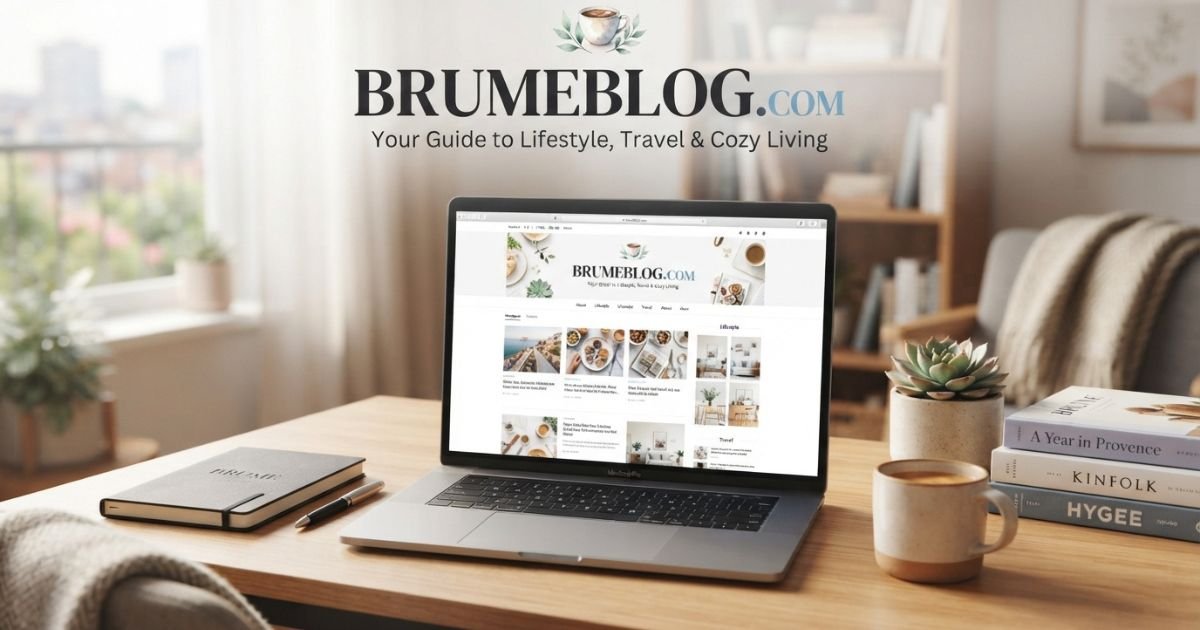
Brumeblog.com is an online blog, sometimes described as a digital magazine, that publishes articles on many unrelated subjects. It does not focus on one industry. It works more like a general knowledge hub where readers can browse and learn.
An About page connected to the brand describes its mission in plain terms. It promises clear, accurate and useful content, a clean reading experience and a user-first approach. It also states a goal of growing into a trusted digital resource over time.
Key facts at a glance
- Type: Multi-niche blog or online magazine
- Audience: General readers, students, beginners and curious browsers
- Style: Short, plain-language articles and guides
- Goal: Informative content that helps readers learn and solve everyday questions
A note on domain names
Pay close attention to the exact web address. The About page I found for the brand sits on a different domain ending from the one most people search. Several unrelated websites also write about “Brumeblog” using similar names.
Domain confusion is common with smaller blogs. Typing the address directly into your browser is safer than clicking a random link. Always confirm you are on the page you meant to visit before you read, share or sign up for anything.
Exploring the Main Content Categories
A multi-niche blog depends on a clear category structure. Based on public descriptions, readers can expect these broad areas.
- Technology: Gadgets, apps, digital tools, internet trends and basic how-to guides.
- Business: Entrepreneurship, marketing basics, productivity and online income topics.
- Finance: General money concepts, budgeting ideas and economic explainers.
- Health and wellness: Everyday habits, fitness basics and lifestyle advice.
- Lifestyle: Home, culture, trends and personal development.
- Education: Study tips, learning methods and beginner explainers.
- Travel: Destination ideas and trip planning basics.
What this mix tells you
This spread suggests the site is built for browsing, not deep specialization. You might read a tech tip in the morning and a budgeting idea at lunch.
That works well for casual learning. It also means health and finance articles should be treated as starting points, not final advice. For decisions that affect your money or your body, confirm details with a licensed professional or an official source.
Why broad categories can help readers
- You can explore without committing to one subject.
- You can compare ideas from different fields.
- You can find new interests you did not plan to search for.
Evaluating the User Experience and Website Design
Good design is not just decoration. It affects how long readers stay and how much they trust a page. Here is what public descriptions report, and how you can test the experience yourself.
Reported strengths
- A simple, clean layout with little clutter
- Content that is easy to scan
- A design described as working on both phones and computers
- No heavy sign-up barrier reported for reading articles
How to test the experience in two minutes
Open the site and check these points:
- Loading speed: Does the homepage open quickly?
- Navigation: Can you find categories without using search?
- Readability: Are fonts clear and paragraphs short?
- Ads: Are ads limited, or do pop-ups cover the text?
- Article structure: Do posts use headings, lists and clear introductions?
- Footer pages: Are the About, Contact and Privacy pages easy to find?
A site that passes these checks respects the reader’s time. A site that fails several of them is often built only to collect clicks.
Related Post: EuroGamersOnline.com Console Gaming: How to Play Smarter
Why structure matters for readers and search tools
Clear headings help people skim. They also help search engines and AI answer tools understand what a page covers. Blogs that use descriptive headings, short answers and a logical order are easier to summarize and cite.
If you publish content yourself, copy this habit. Lead with a direct answer, then explain it in short sections.
Trust, Safety and Legitimacy of Brumeblog com
This is the question most readers care about. The honest answer is that Brumeblog com appears to be a real content website, but you should still verify it the way you would any lesser-known source.
What supports legitimacy
- Public descriptions present it as an actual multi-category blog.
- An About page explains its mission, vision and purpose.
- A Contact page is referenced for questions and feedback.
- The content is described as informational, not transactional.
What you should verify yourself
Key details such as the owner, founding year and author names are not clearly confirmed in public sources. These details matter for trust, so use this checklist.
- Check for HTTPS. Look for the padlock icon in your browser bar.
- Look for author names. Real expertise has a name and a background behind it.
- Find contact details. A working email or contact form is a good sign.
- Read the privacy policy. It should explain cookies and data use.
- Check publication dates. Undated or very old posts reduce reliability.
- Cross-check facts. Compare key claims with official, academic or industry sources.
- Run a domain lookup. Public WHOIS tools can show domain age and registration details.
- Watch for red flags. Aggressive pop-ups, forced downloads and requests for personal data are warning signs.
Safe browsing rules
- Do not enter passwords, card numbers or ID details on any site you cannot verify.
- Do not download files you did not ask for.
- Keep your browser and antivirus software updated.
Reading a blog article is generally low risk. The risk rises when a site asks you to act, pay or share private information.
How Google’s E-E-A-T idea applies here
Search engines look for experience, expertise, authoritativeness and trust. When you review any blog, ask simple questions:
- Does the writer show real experience with the topic?
- Are credentials or sources visible?
- Do other trusted sites reference this blog?
- Is the site transparent about who runs it?
The more yes answers you get, the safer it is to rely on the content.
Summary Table of Brumeblog com Features
| Feature | What to Expect | Notes |
| Site type | Multi-niche blog or online magazine | Not limited to one industry |
| Main topics | Technology, business, finance, health, lifestyle, education, travel | Broad coverage |
| Writing style | Simple and beginner-friendly | Short, scannable posts |
| Design | Clean and minimal | Reported as mobile-friendly |
| Access | Free reading | No sign-up reported for articles |
| Best for | General knowledge and casual research | Not a primary academic source |
| Trust signals | About and Contact pages | Verify authors and dates yourself |
| Main limitation | Limited depth and unclear authorship | Cross-check important facts |
The Advantages of Reading a Multi-Niche Platform
Multi-niche blogs get criticized, but they have real strengths when used wisely.
1. One place for many questions
You do not need to jump between five websites for everyday topics. A broad blog gives you a quick overview in a single visit.
2. Easy entry to new subjects
Beginner-level writing lowers the barrier. If you are new to budgeting, digital tools or study methods, plain language helps you build a base.
3. Fresh ideas across fields
Reading across topics can spark new thinking. A marketing concept might improve your personal productivity. A technology trend might change how you plan a trip.
4. Time efficiency
Short articles fit busy schedules. You can learn the basics in a few minutes and decide whether deeper research is worth your time.
5. Discovery value
Multi-niche platforms often show you topics you did not know to search for. That makes them useful for exploration.
Multi-niche vs single-niche blogs
| Point | Multi-Niche Blog | Single-Niche Blog |
| Range | Wide | Narrow |
| Depth | Usually lighter | Usually deeper |
| Best use | Discovery and basics | Expert-level learning |
| Authority signals | Harder to build | Easier to build |
| Reader type | Casual and curious | Focused and specialized |
Potential Limitations to Keep in Mind
No platform is perfect. Knowing the limits helps you use Brumeblog com wisely.
- Limited depth: Articles may explain the basics but skip advanced detail.
- Unclear authorship: If authors are not named or credentialed, expertise is hard to judge.
- Topical authority gaps: Writing about many unrelated subjects makes it harder to prove deep knowledge in any one of them.
- Update uncertainty: No publishing schedule is confirmed, so some posts may age.
- Sensitive topics: Health and finance content should never replace professional advice.
- Name confusion: Similar domains and copycat pages can mislead readers.
- Citation weakness: General blogs are poor primary sources for formal work.
How to reduce these risks
- Use the blog to learn the vocabulary of a topic.
- Verify facts with government websites, universities, peer-reviewed journals or recognized industry bodies.
- Note the date of every article you rely on.
- Avoid sharing a claim until you have confirmed it elsewhere.
A simple reading workflow
- Read the article for the main idea.
- Highlight any statistic, medical claim or legal claim.
- Search for the original source of that claim.
- Keep only what you can confirm.
This takes a few extra minutes and protects you from outdated or incorrect information.
Frequently Asked Questions About Brumeblog com
What kind of topics does Brumeblog.com cover?
It covers a wide mix, including technology, business, finance, health, lifestyle, education and travel, in a general-interest format.
Is the content on Brumeblog.com trustworthy?
It appears to be a genuine informational blog, but you should verify authors, dates and key facts before relying on any article.
Can I access Brumeblog.com on mobile devices?
Yes. Public descriptions say the layout works on phones and computers, but test it on your own device to confirm.
Is Brumeblog.com suitable for professional research?
It works for background reading and idea discovery, not as a primary source. Use official or peer-reviewed sources for professional work.
How often is the content updated?
No fixed schedule is publicly confirmed. Check the publication dates on individual posts to judge how current they are.
Final Thoughts
Brumeblog com presents itself as a simple, multi-topic blog built for everyday readers. Its clean approach, broad categories and beginner-friendly tone make it a reasonable place for quick learning and casual browsing.
Trust, however, should be earned and checked, not assumed. Details such as ownership, authorship and update schedule are not clearly confirmed in public sources. That is why the smartest approach is to read with a critical eye. Confirm the web address, look for author names and dates, and cross-check anything important.
Use Brumeblog com for what it does best: easy introductions to many subjects. For decisions about your health, money or career, treat it as a starting point and finish your research with authoritative sources.
If you follow the checklists in this guide, you will be able to judge Brumeblog com, and any similar blog, with confidence.

